


THE HISTORY OF HERAT SAFFRON
Ancient Roots
Origin of a Millennia-old Tradition
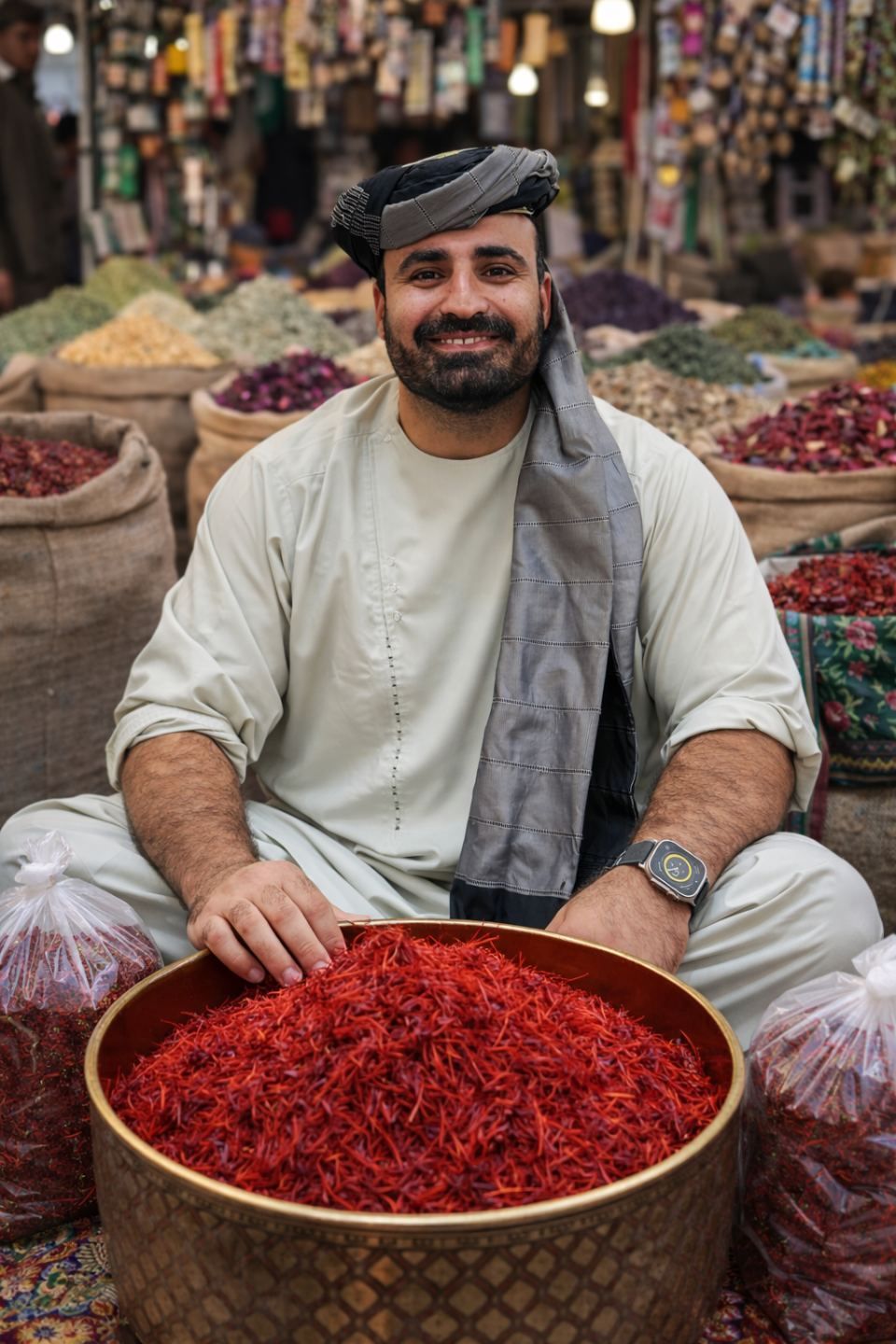
The history of saffron dates back over two thousand years. Historians trace the roots of cultivated saffron to the historical region of Khorasan, which encompassed Herat. Even in antiquity, saffron was prized as a valuable commodity. Traders transported the crimson threads along the famous Silk Road to India, China, and Europe. During this era, saffron was used not only as a spice but also as a pigment, a medicinal remedy, and a luxurious gift for rulers and noble families.
Cultural Prosperity
The Golden Age in Herat
During the Middle Ages, Herat flourished as a cultural and economic hub, renowned for its gardens, sciences, and arts. Saffron cultivation gained significant importance during this epoch; the plant was cultivated in royal gardens and featured prominently in the sophisticated cuisine of the palaces. Its intense fragrance and brilliant hue made saffron a universal symbol of prosperity and refinement.
Over 2000 years of saffron tradition
Hand-harvested in the Herat region
Premium quality esteemed worldwide
A Modern Revival
The New Beginning of Saffron Cultivation
Following several difficult decades, saffron cultivation received renewed support in the 1990s. Visionary farmers and entrepreneurs began replanting the precious crocus bulbs. One of the most prominent pioneers of this movement was Mohammad Akbar, often affectionately known as "Saffron Baba." Through his dedication and collaboration with international organisations, a sustainable agricultural model emerged, offering many families a fresh economic perspective.
Meticulous Harvesting
Hand-Harvesting and the Art of the Crop
To this day, the saffron harvest remains a laborious and delicate process. The violet crocus blossoms appear for only a few weeks each autumn. During this brief window, the flowers are picked by hand in the early hours of the morning. The fine red stigmas are then carefully extracted from each bloom and gently dried.
It takes up to 200,000 blossoms to produce just one kilogram of saffron. This intensive manual labour explains why saffron remains the most valuable spice in the world. Notably, the women of the Herat region perform a significant portion of this work, their expertise being instrumental to the saffron's final quality.
Herat: The Hub of Premium Saffron
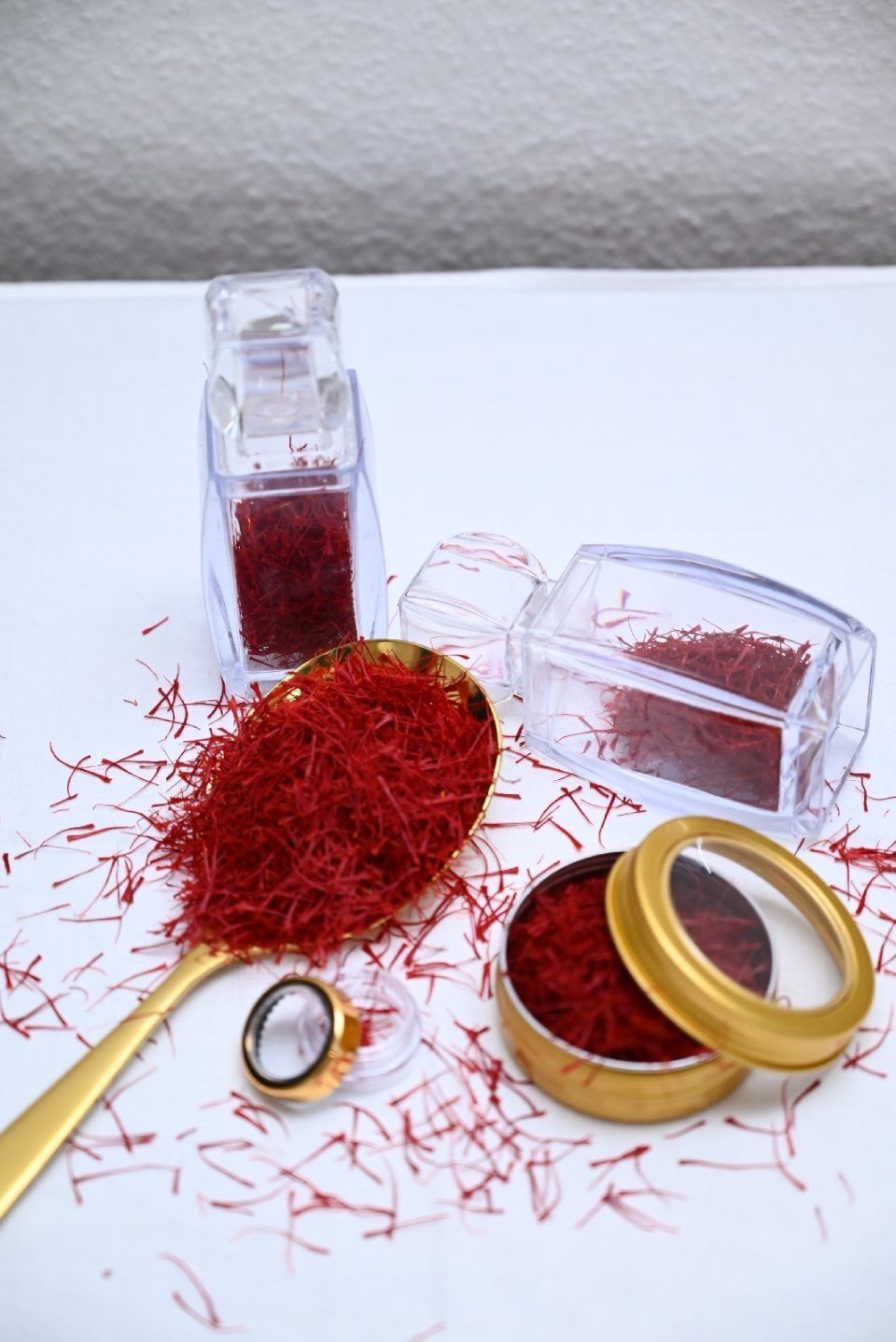
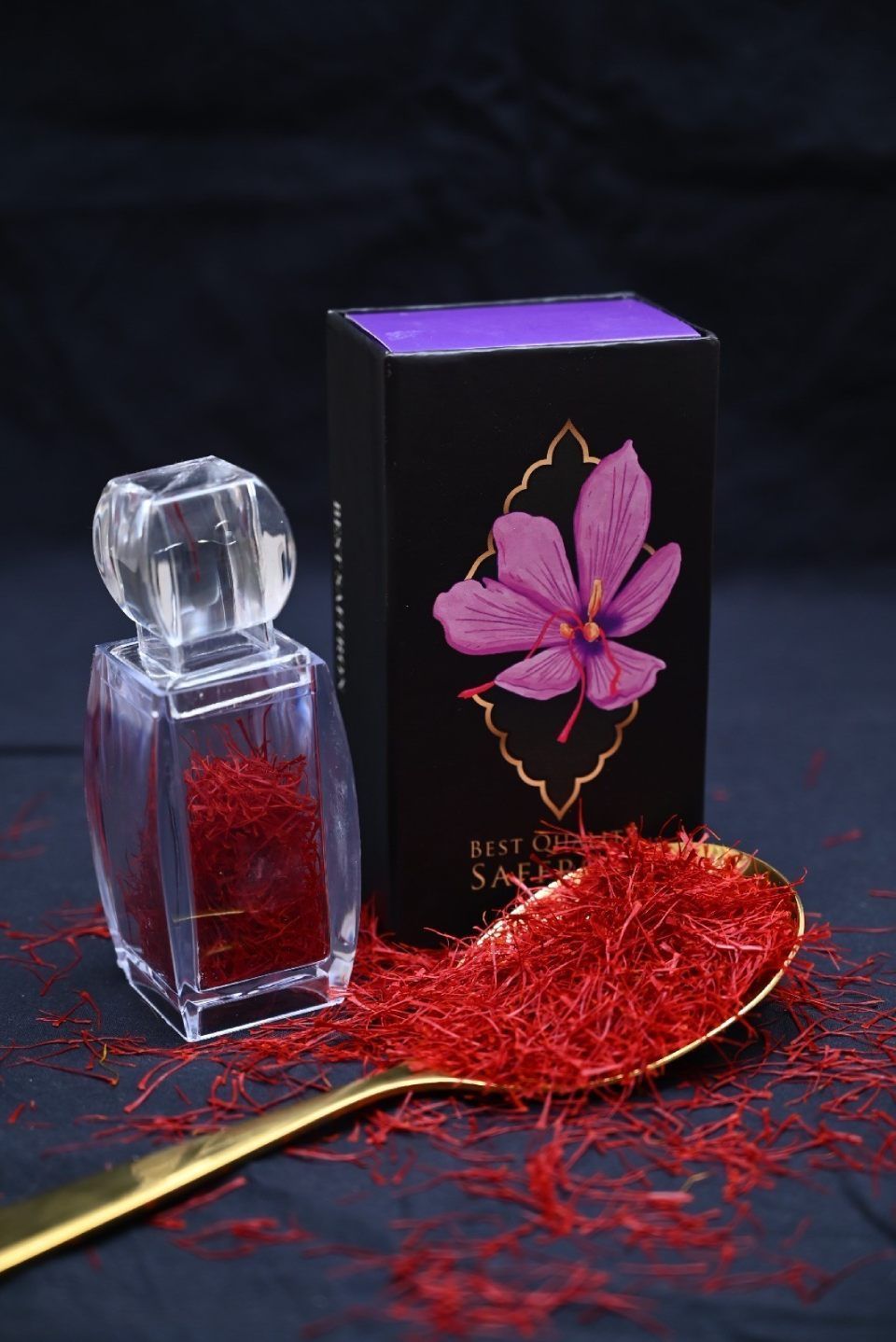
Today, Afghan saffron is among the most sought-after varieties on the international market. Saffron from the Herat region, in particular, is consistently recognised for its extraordinary quality. Its superior colouring strength, intense aroma, and high purity make it the preferred choice for chefs, delicatessens, and connoisseurs globally. In recent years, Afghan saffron has received multiple international awards, solidifying its reputation as one of the world's finest spices with a promising future on the global stage.
Where Tradition Meets Modern Quality
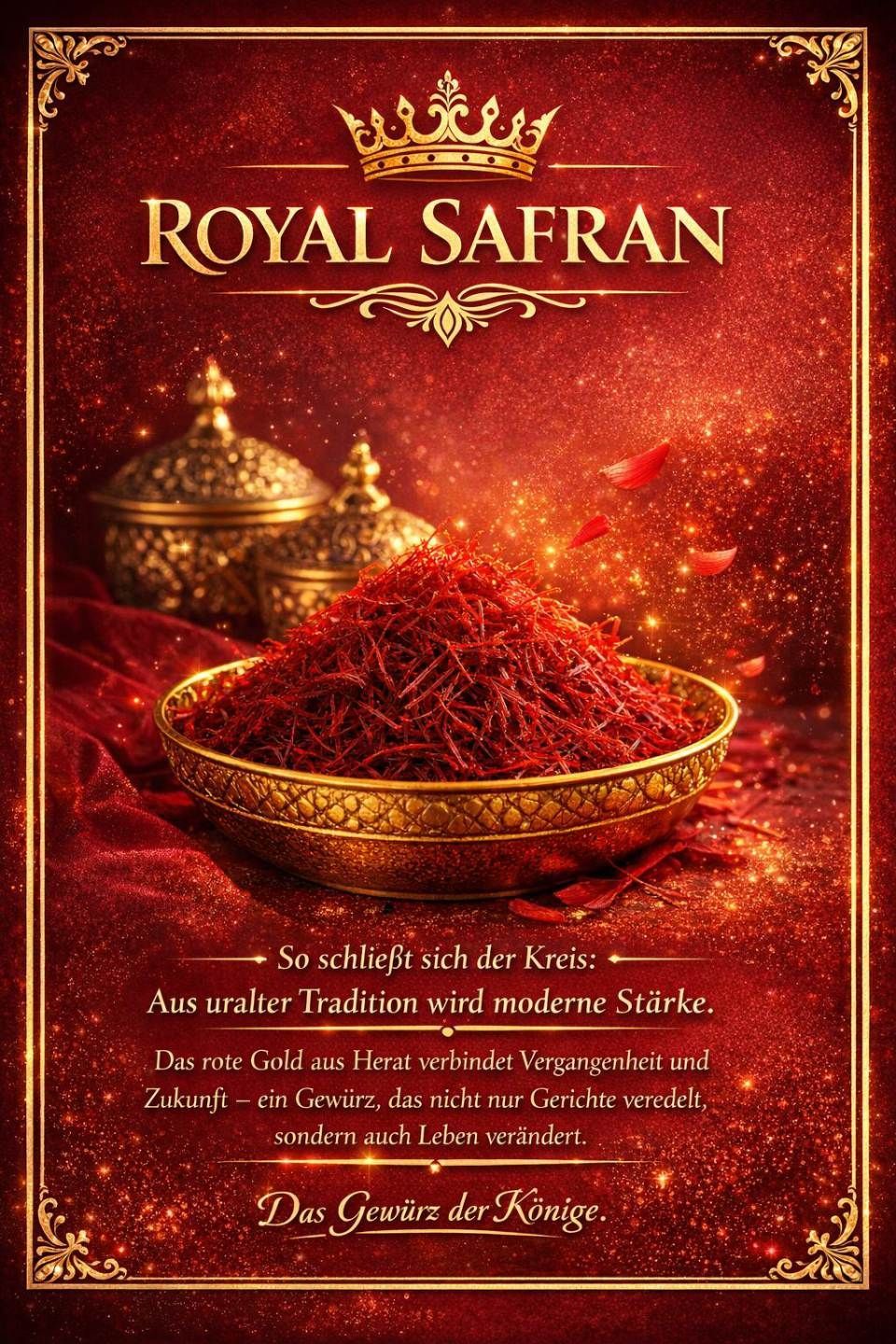
The history of Herat saffron illustrates how ancient traditions can be seamlessly woven into modern trade routes. Today, both private customers and the catering industry can discover and enjoy the unique quality of this ‘red gold’ in their own kitchens.